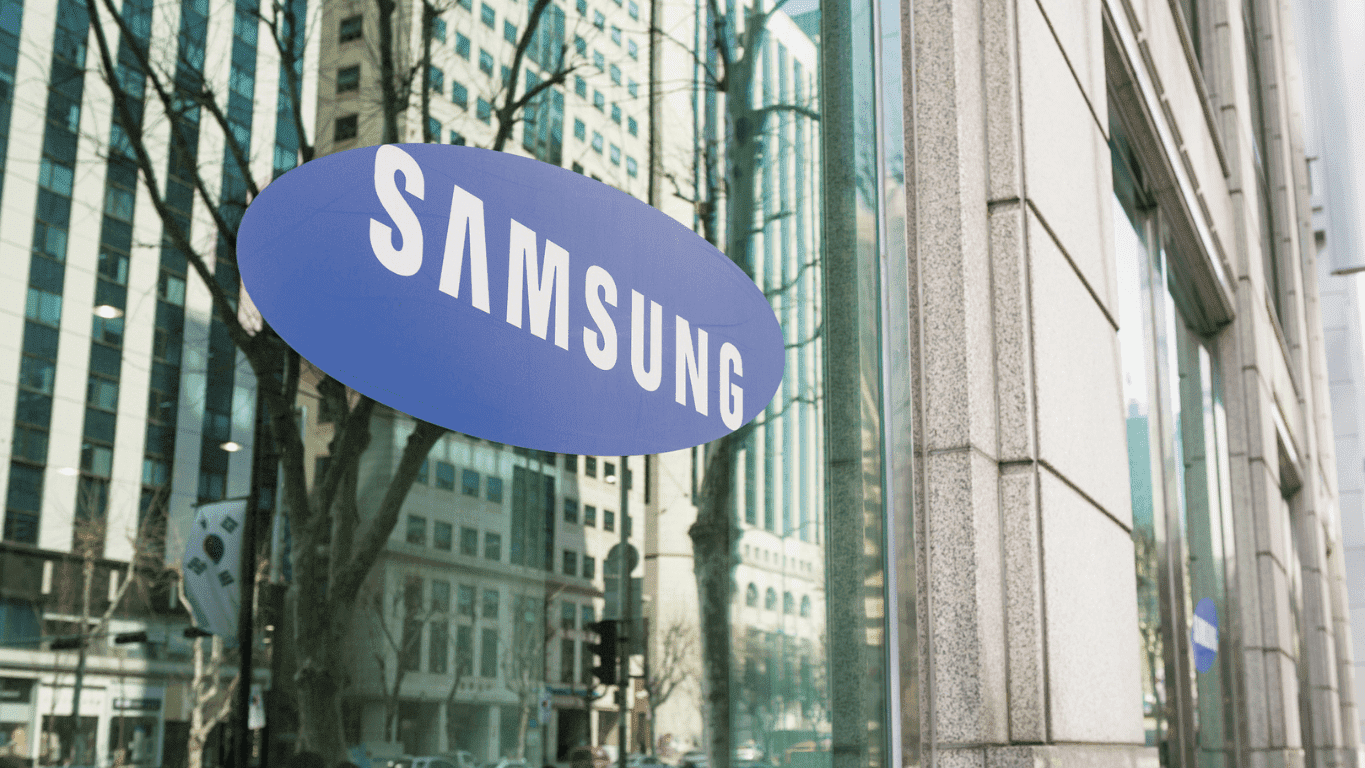


The largest labor union at Samsung Electronics in South Korea has announced a strike for an indefinite period after a three-day walkout, which failed to yield results. The National Samsung Electronics Union said it had a support base of 6,000 members ready to partake in this historic first strike in the 55-year history of Samsung Electronics. The strike against the company’s semiconductor facility in Hwaseong started over angry negotiations about wages and bonus conditions, coupled with failed collective bargaining and an alleged union-busting campaign by the tech giant.
Deadlock in Collective Bargaining Spurs Indefinite Strike at Samsung Electronics
Largely denied by the company, the union was demanding a 3.5% increase of the base rate, paid leave for the date of establishment of the union, and compensation for loss of wages during the strike. The company responded unilaterally to set an increase of 3.0% of the base rate with some workers, in disregard of the union’s demands. There have also been reports of plant managers intimidating striking workers and telling them that they would be placed in a disadvantaged situation for participating in the strike.
The NSEU, an affiliate of the Federation of Korean Metalworkers’ Trade Unions, has 30,000 members at Samsung Electronics, about 24% of the total workforce, and enjoys the status of a representative bargaining union. In reply to the said tough attitude of Samsung and alleged attempt of union busting, they declared the indefinite strike and even demanded all the members to continue fighting till their demands get fulfilled.
Leadership Voices
The president of the FKMTU, Kim Junyoung, explained: “Something very big is happening in Samsung. Since the collapse of their no-union management policy five years ago, now the union members have fully released their voices. This fight just started, and in general terms, it means, practically, the end of Samsung’s no-union management. Solidarity and support above all in this current urgent juncture. Let us fight until the end of this battle together.” The message cited from the IndustriALL ICT, Electrical, and Electronics Director Alexander Ivanou is one of solidarity with the NSEU members:
“IndustriALL stands in solidarity with NSEU members in their struggle for favorable working conditions at Samsung Electronics. The firm registered an operating profit of KRW 6.57 trillion (US$ 4.79 billion) in 2023; it has a moral duty to return some of the profits to the workers who raise revenue and value-added for the firm. “We … urge Samsung Electronics to get back on the bargaining table, to engage in meaningful social dialogue with NSEU and FKMTU.
As the strike enters the fifth day, pressure is mounting on Samsung Electronics to come up with meaningful negotiations. If the workers succeed in this strike, it could be a big success not just for labor relations within the company but would also have immense potential for improving the labor rights movement within South Korea.
Record Profits Amid Worker Discontent
Samsung Electronics is anticipating its second-quarter revenue to have increased by 1,450% year-on-year, fueled by an AI boom, a published report said. The company also reportedly announced that its profits grew tenfold in the first quarter of 2024. The union, however, in NSEU insists that workers have not received pay hikes as big as the record returns. Now on strike are the workers from a Samsung foundry unit, which manufactures some of the world’s most sophisticated computer chips, said AFP.
Samsung has a history of hostility to unions and scant experience of entering negotiations with its own workforce, according to analysts. Its management of labor relations is now coming under massive focus as the strike rumbles on. “The outcome of this campaign is of huge importance, for the way it can embolden the Korean labor movement as a whole,” Vladimir Tikhonov, a professor of Korean Studies at the University of Oslo, told AFP.
This strike could prove to be a very defining moment in labor relations for Samsung and the entire South Korean tech industry. With national and international interest piqued by the strike, the union and Samsung are under mounting pressure to reach a resolution.
Samsung Faces Renewed Worker Demands During AI Boom and Record Profits.
The world’s largest memory chipmaker, Samsung Electronics, has gone through a roller-coaster ride over the past two years. The company has gone from a historic computer chip shortage brought on by the COVID-19 pandemic to cooling consumer appetite for electronics last year because of global economic uncertainty.
However, Samsung seems to be finally on the rise. The South Korean tech company is getting back to demand, taking a lift from a thriving artificial intelligence industry. The company forecasts sales of mobile devices in greater numbers this year as a result of powerful new AI-equipped handsets. A week ago, Samsung forecast a surge of over 15 times in its second-quarter operating profit compared to the same period a year ago.
To that optimistic view, however, Samsung’s workforce is demanding that such optimism be translated into pay. “The company is not treating the employees properly,” union representative Woomok said on Monday. “Even though the operating profit is high, the company has been saying it’s in a crisis situation for more than 10 years, and the employees are increasingly unsatisfied with no performance bonus hike. Now, with the bulk of the employees making a consistent upward trajectory on the factory floor and also now on improved financial grounds for Samsung, the NSEU wants equal compensation and better benefits, further stating that now the “workers at Samsung have become more disgruntled because of its policy on performance incentive and total pay.”
This financial union strike is one of its kind in the history of Samsung Electronics, now one that is undergoing impressive financial recovery and threatens to change the landscape of labor relations fundamentally. The indefinite strike of the National Samsung Electronics Union, therefore, reflects the continuity of a deep chasm between the skyrocketing profits of the company and the meager wages for its workers. The gap between the health of the company and compensation for workers has become a contentious issue, with second-quarter revenue seen surging and first-quarter profits soaring tenfold. Part of the complicating factor in this situation is the fact that Samsung is very cautious about the unions and has little experience with labor negotiations.
The burden is then passed on to both parties to settle the issue, even while taking note of not disrupting the company’s operations in the context of the demand list of workers. The larger implications of this labor dispute may reset labor relations at Samsung and possibly reset the larger tech industry in South Korea. This labor dispute will attract close scrutiny to determine how companies balance maximum profitability with fair labor practices amid national and international attention on the outcome. The resolution of the strike will likely impact Samsung’s workforce and reverberate across South Korea’s labor landscape.

Fatima Razzaq is a freelance technical writer who served as an electrical engineering lecturer at Air University—a federally chartered public sector research university in Pakistan. Razzaq holds a Bachelor’s degree with distinction in electronic engineering from Ghulam Ishaq Khan Institute of Engineering Sciences and Technology (GIKI) and a Master’s degree in Sustainable Transportation and Electrical Power Systems from the University of Nottingham, Universidad de Oviedo, and La Sapienza University of Rome. Razzaq’s diverse work experiences in academia and industry continue to inform her prolific technical writing journey in the areas of electrical engineering, storage mechanisms, power electronics, electric vehicles, energy, and related topics.