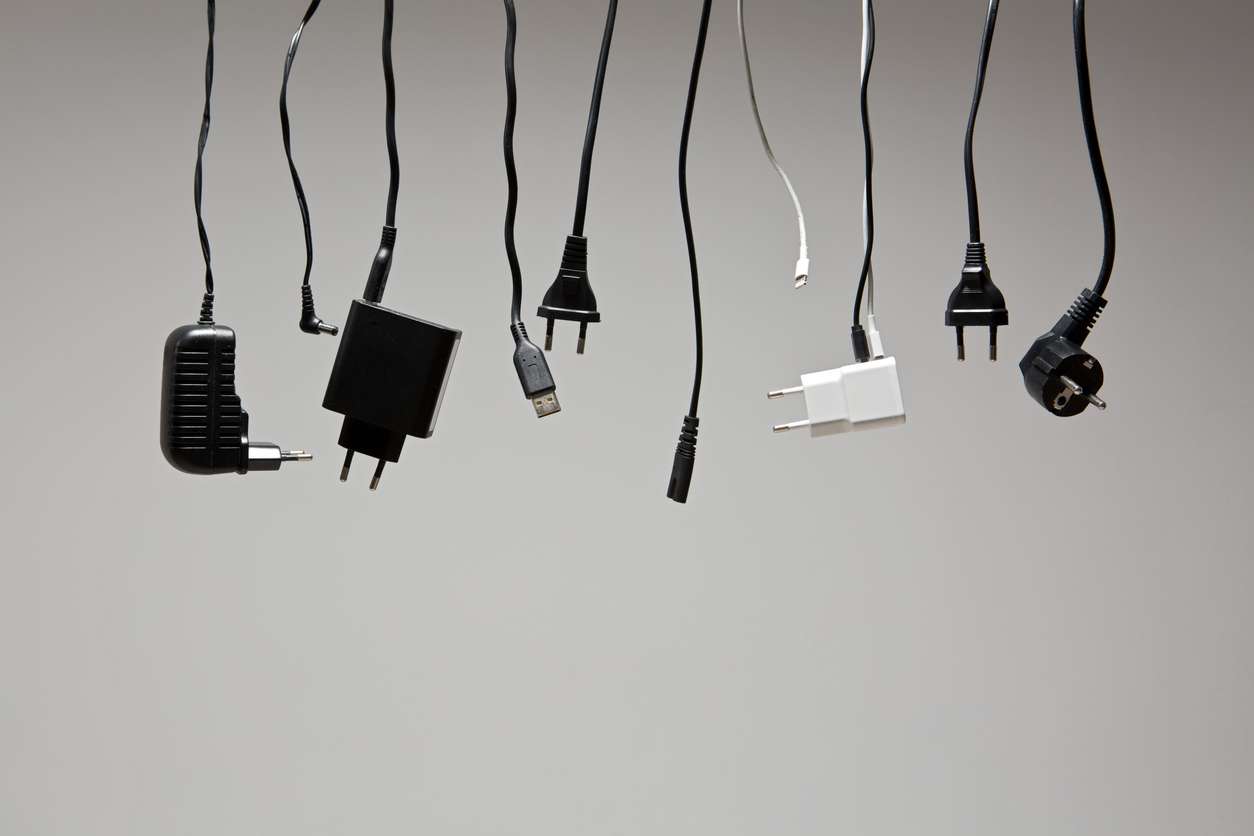


If you have used any kind of electronic device, you have undoubtedly used a voltage converter. Voltage converters are any device that alters the voltage of an electric current. This includes power supplies and chargers used for consumer electronics, which convert mains voltage to an appropriate power for the device.
Voltage converters also regulate the voltage. Mains voltage often has some variation in it that needs to be evened out to ensure proper operation. There are several different types of converters, including analog-to-digital, digital-to-analog, and voltage converters. While signal converters might seem to be a different thing, they are very similar in their design.
Types of Voltage Converters

There are three main types of voltage converters:
1. Analog-to-Digital Converters
Analog-to-digital converters take an analog signal and convert it to digital. Manufacturers put these converters in microphones and digital cameras to convert analog sound and light into a digital record. They also belong in medical imaging tools, microcontrollers, digital oscilloscopes, temperature sensors, and devices that convert analog audio into digital (e.g., turning a cassette tape into mp3s).
There are several common types of analog-to-digital converters. They each have different advantages and disadvantages that make them ideal in different use cases:
- Flash: Flash is also known as parallel ADC. Flash ADC helps in operations that require speed. They are, however, expensive, as they need a larger number of comparators, have a relatively low resolution, and use more power.
- Pipelined: A pipelined converter uses two or more low-resolution flash ADCs. This offers more error correction in tools like self-calibrating devices. Each stage, however, adds latency, slowing the system down.
- Sigma-delta: These are also known as oversampling converters. They consist of a sigma-delta modulator and a digital filter. This type of converter allows high resolution in lower bandwidth. Sigma-delta converters assist in professional audio because they preserve quality and offer great noise reduction in precise measurements. But they require a high clock speed (and thus high-performance electronics).
- Successive approximation: This uses a successive approximation algorithm. It consists of a comparator, successive approximation register, sample and hold circuit, and DAC. It is the most commonly used type, with a small and constant conversion time. However, it is slower than flash and requires a complex circuit.
2. Digital-to-Analog Converters
A digital-to-analog converter obviously does the reverse, converting a digital signal into an analog output. These converters are in speakers, televisions, etc. Most consumers are familiar with them in the form of a cable box, digital video recorder, or streaming box that converts the signal for television.
There are several common types of digital-to-analog converters, each of which has different advantages and use cases:
- Binary weighted resistor circuit: This uses a resistor for each digital source, and they are connected together in a summing amplifier circuit that produces the output. This can become complicated. The more input sources you have, the harder it is to design the circuit with the wide variety of resistors needed. It can be expensive. However, it offers very fast conversion.
- Binary ladder or R-2R ladder: This is slower but only requires two kinds of resistors, making it much simpler and cheaper to produce. It is one of the least expensive methods.
- Segmented: These combine two or more DACs together, such as binary weighted and thermometer-coded. This allows the chip to be smaller but can become extremely complicated.
- Delta-sigma: This is the reverse of the sigma-delta described above and is extremely similar. Like an ADC converter, it can help in operations that require a very high-quality signal. It aids in signal processing and signal conversion in high-end audio/video devices.
3. Voltage Converters
Voltage converters come in handy when you need to adjust or regulate incoming voltage. Mains voltage tends to be dirty, so even devices that require mains voltage may benefit from a voltage converter to even it out. Voltage converters are used in almost all consumer devices, with the majority requiring lower voltage than comes in on the mains and power conversion from AC to DC.
There are a number of types of voltage converters, including:
- Rectifier or AC to DC converter: Converts AC to DC for electronics
- Inverter or DC to AC converter: Used in battery banks and solar power systems
- AC voltage regulator: Can adjust the voltage of incoming AC power
- DC to DC converter or chopper: Can match support and component voltage
- AC/DC converter: Can operate as a rectifier or inverter
- Frequency converter: Adjusts the frequency of AC power
- Phase converter: Converts single phase to three phase or vice versa
- Reactive power converter: Compensates for reactive power
Factors to Consider When Choosing Converters
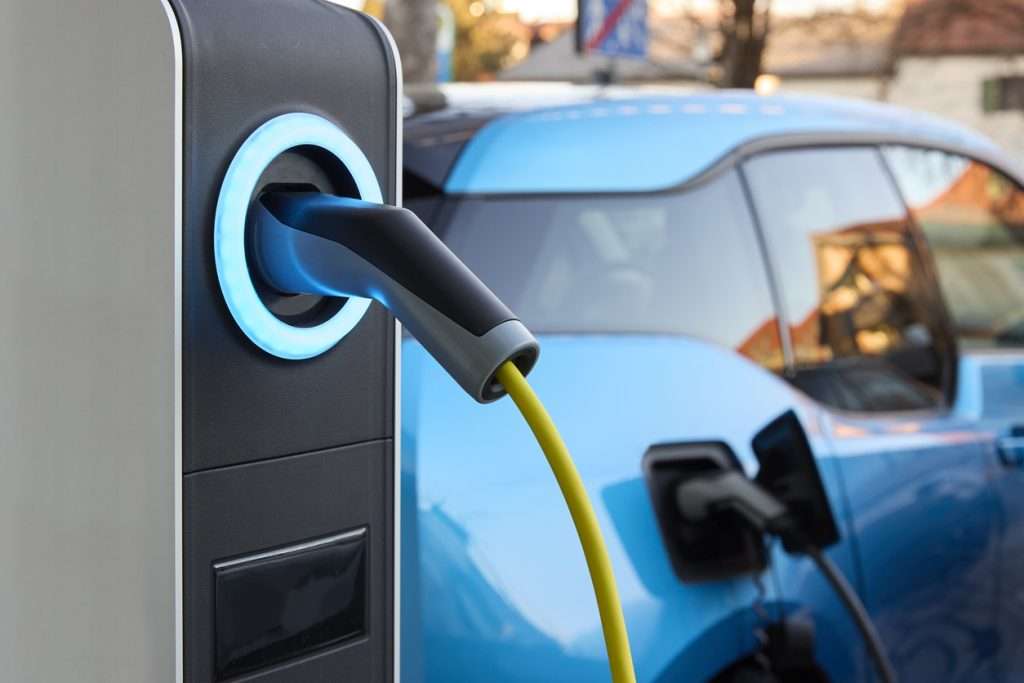
When choosing a converter for your project, you must consider the needed electrical properties, signal quality, environmental factors (such as temperature, humidity, and vibration), and any application-specific requirements. Converter manufacturers also vary in their quality and specialties.
Choosing the Right Converters for Your Project
There are several factors you need to consider when choosing the right converters. Your use case is paramount, as is your budget. When purchasing a voltage converter, make sure that the wattage rating is two to three times that of the device. For high-quality audio, sigma-delta converters are almost certainly a must. Converter performance is important for storage and communication applications.
Some common mistakes to avoid when selecting and using converters are:
- Using too low of a wattage
- Valuing speed above fidelity
- Inadequate cooling for power supplies
- Not allowing for voltage or signal drop from cables
- And more
Make sure you choose a converter that is at least what you need, and double-check the specifications. Also, become familiar with converter brands so you can choose ones better designed for your project.
Applications of Converters
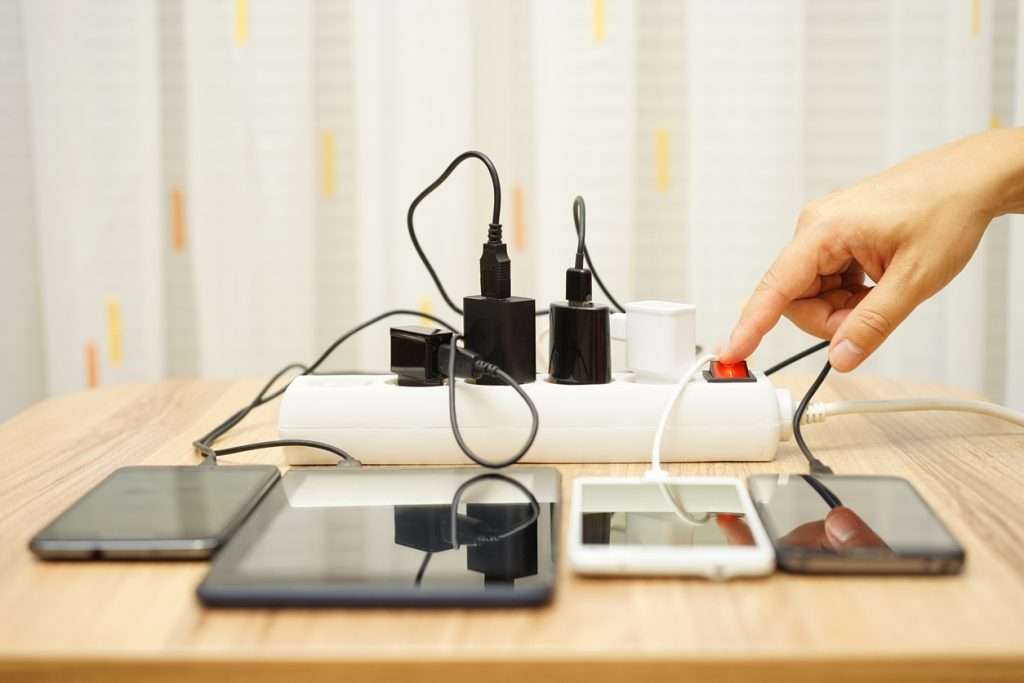
Converters are so vital to electronics that we use them without noticing them, but some examples of converter applications include:
- Running electronic devices in a country with a different mains power
- Solar panels, which require inverters
- Electric vehicles
- Audio and video recording, transmission, and display
- Cell phones
- Optical and magnetic storage: Data conversion is used when pulling data in and out of these systems
- Scientific instruments
- Medical imaging
A key trend in the market is toward more sustainable products. This is particularly the case in the solar power market. With many early systems reaching end-of-life stages, there is an increased realization that the panels themselves are a potential ecological problem. With ADC and DAC converter technologies, trends are towards on-chip integration. System-on-a-chip systems are lightweight. They allow continued miniaturization and thus higher quality performance in electronics like cell phones.
Converter selection should be made carefully and with an understanding of the different types. This is particularly important if you are using ADC and DAC converters, where speed, accuracy, and cost are often tradeoffs.
Did you enjoy this guide to converters? Find the right converter for your electronics project with Partstack’s wide selection of high-quality analog-to-digital, digital-to-analog, and voltage converters. We offer converters from top brands, including Texas Instruments converters, Maxim Integrated converters, and Analog Devices converters. Whether you need a converter for a specific application or a general-purpose converter, we have the right solution for you.
Partstack’s editorial team is made up technical writers and engineering folks from around the world.