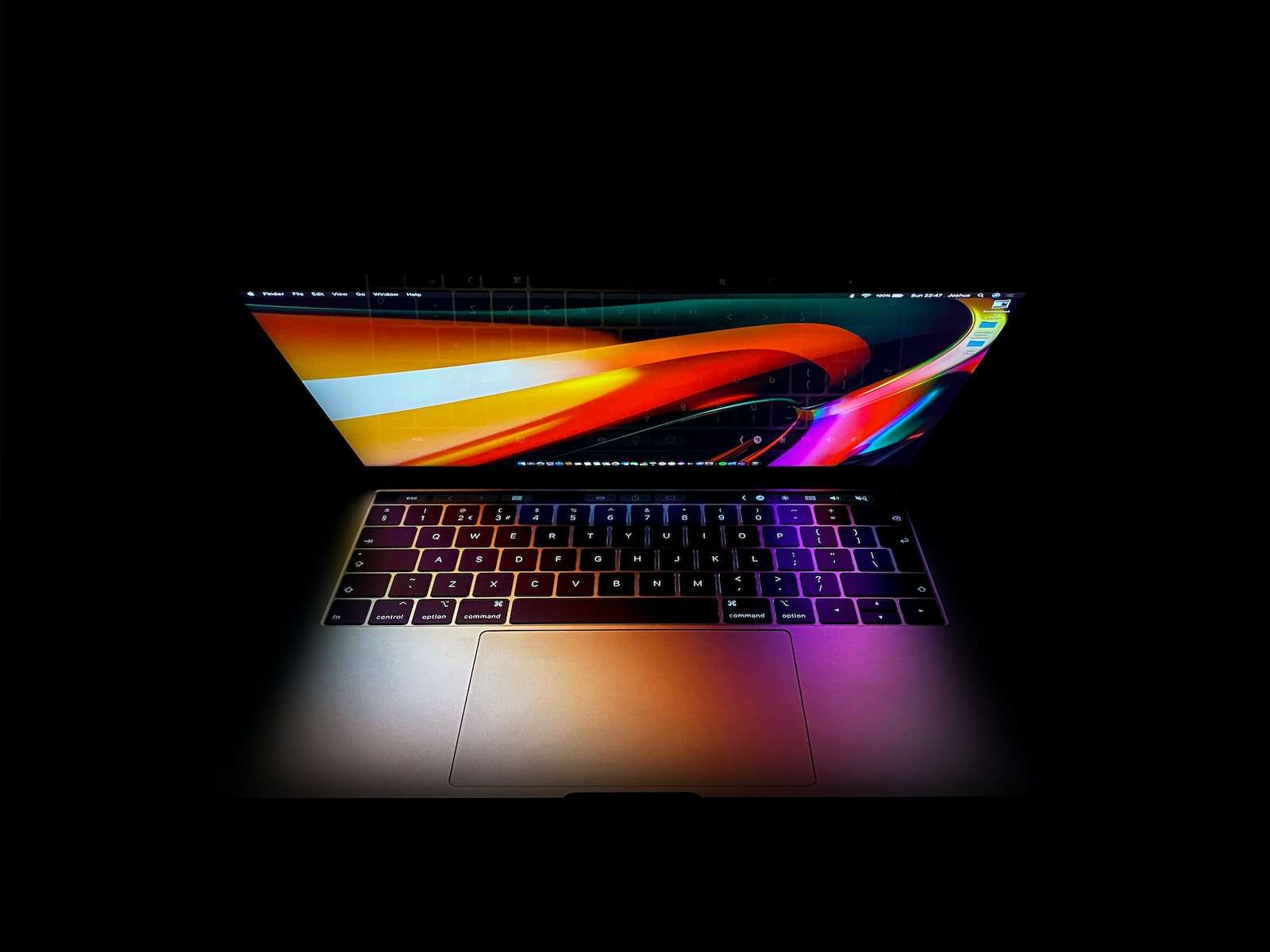


According to Bloomberg, there’s a strong possibility that Apple is currently working on an update that will roll out touchscreens on Mac laptops. The company is now seriously considering putting out touchscreen Macs, starting with the MacBook Pro with OLED. This new product brings a number of advantages with it to the consumer market, but may also fly in the face of everything Steve Jobs wanted for the brand.
The Laptop Touchscreen Objection
In 2010, Steve Jobs announced that Apple would be in no hurry to bring touchscreens to its laptops. Touchscreens, Jobs insisted, presented an ergonomic challenge for a number of reasons. “Touch surfaces,” he pointed out, “want to be horizontal, or your arm falls off.” While touchscreens offer some value for short-term use or demonstration, using them like that long-term can create arm strain and, in general, make the surface difficult to work on. As a result, Apple wasn’t in a hurry to push out touchscreens to its laptops.
So far, Apple has stringently resisted adding touchscreens to its laptop devices. Even with the iPad flourishing and other brands adding touchscreen capability to their devices, Apple has chosen to avoid that addition. In part, this may have been due to a desire to keep iPad sales strong, since a touchscreen laptop might mean an overlap in target markets. In 2016, Macs came out with a Touch Bar that allowed its users to use many of the gestures they used on their iPhones and iPads to complete common tasks, including function keys, tapping, swiping, or sliding, all in one convenient location. The 2021 redesign removed this feature after considerable user and critic complaints.
How Apple’s Touchscreen Could Change the Market
Right now, there is no promise that Apple will add touchscreens to their devices any time soon. Apple has, in the past, started many projects that were ultimately scrapped. However, right now, Apple’s engineers are eagerly working on adding touchscreen capability to the MacBook, with release anticipated as early as 2025.
That could mean a number of potential changes to the market.
1. MacOS Refresh
In order to effectively complete the release of a Mac touchscreen for its laptops, Apple may need to work on significantly refreshing its current OS to ensure that it is compatible with that touchscreen use. In many cases, the current controls and menu bars aren’t as accessible as users might like if they are attempting to use a touchscreen model, rather than a traditional trackpad or mouse. Fortunately, the models used for iPad and iPhone may offer a strong basis.
2. Adapting to Current Customer Demands
Today’s customers have become increasingly used to using touchscreens as part of their daily lives. Most people use phones that rely on touchscreen capability. Others regularly use tablets, including iPads, that use the same functionality. Making the transition to a device that does not have that capability can create its own set of challenges for some users. Furthermore, adding touchscreen capability may improve the functionality of Mac laptops.
3. Increasing Sales of Mac Laptops
The PC versus Mac discussion has raged in tech circles for a long time. Some people choose the devices they want to use based on the brand. Others, however, are locked into specific devices due to their overall functionality or the tools they have. Some Apple users may avoid making the switch to a Mac laptop because of the lack of touchscreen. With the new shift in technology, chances are, sales of MacBooks will boom.
4. Decreasing iPad Sales
Depending on the market, the addition of touchscreens to MacBooks may lead to a decline in iPad sales. In many cases, the market between MacBook users and iPad users may overlap. With the laptop now filling the same functions as an iPad, users may no longer need to have separate devices in order to fill their needs. Currently, many users have chosen to purchase additional tools and hardware to make their iPads functional as laptops, rather than purchasing a separate device, so that they can keep all their content and handle all their needs in one place. As a result, iPad sales may decline slightly as a result of the switch. However, thanks to the firm market for iPads alone, chances are, demand for that product will not disappear.
Is It Time for MacBook to Make the Switch?
With so many consumers demanding touchscreen functionality on the majority of their devices, it has become increasingly clear that it may be time for Apple to make the switch and provide touchscreens for its MacBook users. However, there is no guarantee that Apple will ultimately decide to push out this upgrade to its systems. Keeping an eye out for future updates can help consumers make key decisions about when it might be time for them to upgrade.