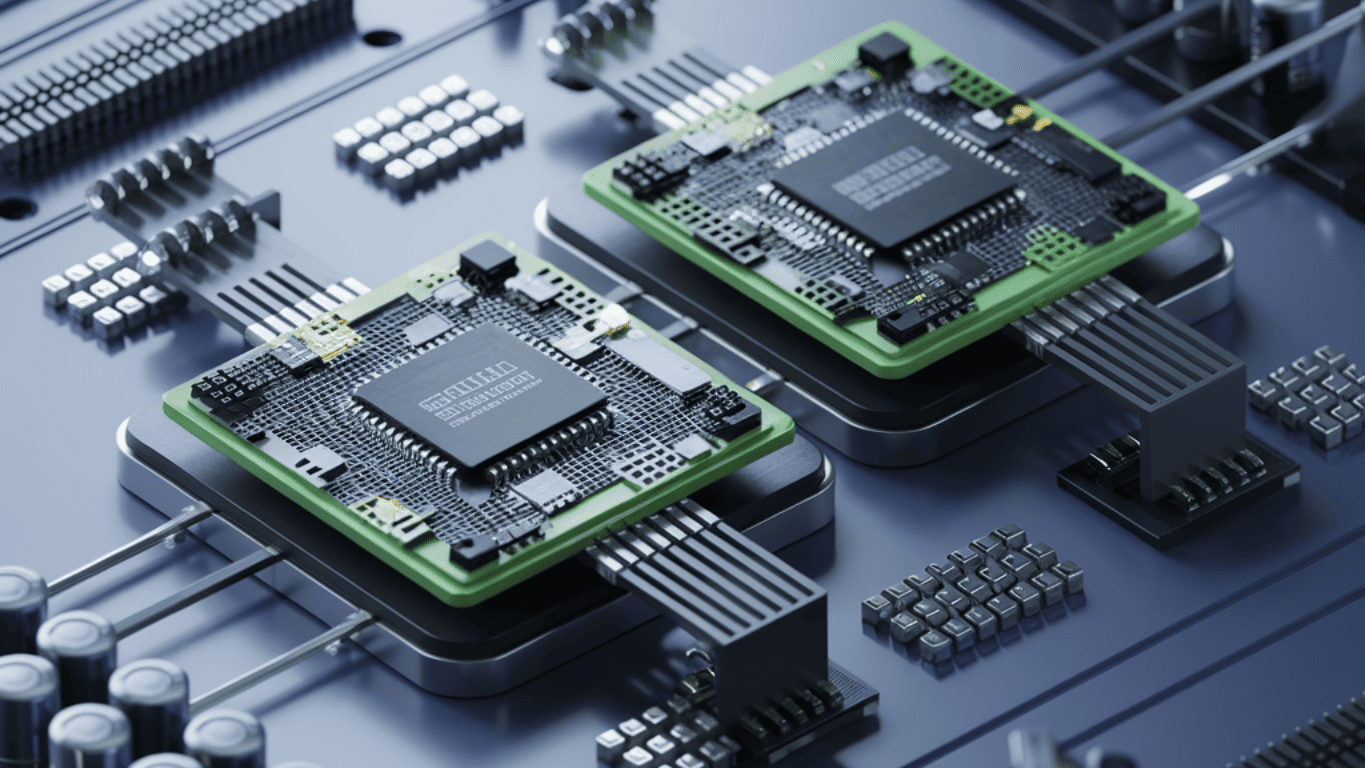


Have you ever wondered how your smartphone stays connected or how your car’s electronics communicate seamlessly? The answer often lies in the small but mighty board-to-board connectors. These connectors are crucial in modern electronics, ensuring reliable connections between circuit boards. This article aims to provide a thorough understanding of board-to-board connectors, helping you make informed decisions whether you’re a buyer or an enthusiast.
What are Board-to-Board Connectors?
Imagine trying to connect two pieces of a puzzle without the right piece in between. That’s where board-to-board connectors come in. They link two PCBs (printed circuit boards) without the need for messy cables, ensuring efficient signal transmission and power distribution. These connectors can be used in various orientations, like parallel or perpendicular, making them incredibly versatile.
Key Features and Specifications
When you’re shopping for board-to-board connectors, here are some key features to keep in mind:
- Pitch Size: This is the distance between the center of one pin and the center of the next. A smaller pitch size means a more compact connector, which is great for tight spaces.
- Mated Height: This is the height of the connector when two boards are connected. It’s crucial for fitting into compact devices.
- Number of Circuits: This tells you how many electrical paths the connector can handle. More circuits mean more functionality.
- Current Rating: Refers to the highest amount of electrical current a connector is designed to safely handle. It’s important for ensuring safe and efficient power transmission.
- Material and Construction: High-quality materials ensure durability and reliability, especially in harsh environments.
- Signal Integrity: This is critical in high-speed applications to prevent data loss and ensure accurate signal transmission.
Popular Types of Board-to-Board Connectors
1. Pin Header Connectors
These are the bread and butter of connectors. You’ll find them in everything from consumer electronics to industrial control systems and automotive electronics. For example, they’re commonly used in Arduino boards for prototyping.
2. Mezzanine Connectors
These are perfect for high-density applications like servers, data centers, and telecommunications. Think of them as the skyscrapers of connectors, stacking boards vertically to save space.
3. Edge Card Connectors
If you’ve ever upgraded your computer’s RAM, you’ve used an edge card connector. They’re also common in graphics cards and industrial automation.
4. Socket Connectors
These provide secure connections in medical devices, networking equipment, and home appliances. For instance, they’re used in medical imaging equipment where reliability is crucial.
5. High-Speed Connectors
Designed for high-frequency signal transmission, these connectors are essential in high-performance computing and advanced medical equipment. They’re the backbone of 5G infrastructure, handling high data rates with ease.
Leading Manufacturers and Products
Several manufacturers are leading the charge in the world of board-to-board connectors:
Molex: Known for their high-quality connectors like the SlimStack and EXTreme Power series, Molex is a go-to for consumer electronics and high-power applications. They’ve also introduced innovative connectors designed for high-speed data transmission.
TE Connectivity: Renowned for their durable connectors like the Mezzanine and Micro-Match series, TE Connectivity is at the forefront of developing connectors for harsh environments. Their products are widely used in automotive and industrial applications.
Amphenol: Offering a wide range of connectors, including high-speed and micro-miniature options, Amphenol is ideal for telecommunications and data centers. Their latest innovations include connectors designed for IoT applications.
Browse these leading brands on Partstack and access detailed product descriptions, ensuring you make informed decisions backed by reliable data.
How to Choose the Right Connector
Selecting the perfect connector may seem daunting, but Partstack’s user-friendly interface makes it simpler. Here’s what to consider:
- Electrical Requirements: Make sure the connector meets your current and voltage needs.
- Mechanical Constraints: Consider the physical space and mounting requirements.
- Environmental Conditions: Choose connectors that can withstand the operating environment.
- Quality and Compatibility: Evaluate the build quality and ensure compatibility with your PCBs.
Use Partstack’s side-by-side comparison tool to evaluate multiple connectors and ensure your selection is perfect for your project.
To help with the selection process, here’s a simple decision tree:
Start
  |
  |---> Do you need high current capacity?
  |       |---> Yes ---> Choose High-Power Connectors
  |       |---> No
  |
  |---> Do your applications require rapid and reliable high-speed data transfer?
  |       |---> Yes ---> Choose High-Speed Connectors
  |       |---> No
  |
  |---> Is space a constraint?
          |---> Yes ---> Choose Micro-Miniature Connectors
          |---> No ---> Choose Standard Connectors
Installation and Maintenance Tips
Proper installation and maintenance are key to getting the most out of your connectors:
- Installation: Follow manufacturer guidelines for soldering and mounting. Ensure proper alignment to avoid damage.
- Troubleshooting: Address common issues like misalignment and poor connections. Look for signs of wear or failure, such as intermittent connections or physical damage.
- Maintenance: Regularly inspect and clean connectors to prevent corrosion and wear. Use appropriate cleaning agents and tools to avoid damaging the connectors.
Partstack Insight: Many of the products listed on Partstack come with detailed datasheets and manufacturer guidelines to assist you through installation and maintenance.
Future Trends and Innovations
The world of board-to-board connectors is constantly evolving:
- Miniaturization: As devices become smaller, connectors also shrink in size. For example, Molex’s SlimStack series offers compact connectors for space-constrained applications.
- High-Speed Data Transmission: Advances in technology are pushing the limits of data transfer speeds. TE Connectivity’s high-speed connectors are designed for next-generation data centers.
- Sustainability: Manufacturers are prioritizing the use of environmentally friendly materials and adopting greener production processes.
Conclusion
Board-to-board connectors may be small, but their impact on modern electronics is immense. By understanding their features, applications, and types, you can confidently select the best connector for your needs. With Partstack’s intuitive platform, finding and sourcing these components has never been easier.
Ready to explore your options? Start your search on Partstack today and experience the convenience of smart sourcing for your electronic projects.

Audrey Sivasothy is a Houston-based technical writer with extensive experience in regulatory compliance, quality auditing, and policy analysis. Her expertise spans medical, defense, and aerospace industries, including over a decade in semiconductor distribution compliance. Audrey’s writing combines her technical industry knowledge with policy and legal insights and offers readers a unique perspective on major industry regulations, news, and developments. Sivasothy is a graduate of Rice University and a JD candidate specializing in business and compliance law.