In different industries, different types of electrical connections are vital channels for the transfer of power, signals, and data. This blog explores the foundations of electrical connections and explains their essential function in contemporary electronics. From describing the many kinds of connections to talking about important selection factors like electrical performance and environmental resistance. This blog offers a basic overview of electrical connectors and their applications in modern engineering via an examination of important sectors.
What is an Electrical Connector?
The component that connects electrical circuits and different electrical devices together is called an electrical connector. Through the transmission of power, signals, or data between various electrical components or systems, it permits electrical current to go from one place to another. With the purpose of fulfilling certain needs and applications, connectors are available in a variety of sizes, shapes, and combinations.
 Fig 1: Electrical Connectors
Now, we will discuss the different components that generally make up an electrical connector.
Components of an Electrical Connector
Conducting/ Connecting pins
To provide an electrical connection between the corresponding pieces, connectors usually incorporate metal conductors or contacts. Manufacturers often use materials like copper, brass, or phosphor bronze to make these conductors because of their longevity and conductivity.
Insulation
To guard against electrical shock and short circuits, insulation materials are placed over conductors to avoid accidental contact. Thermosetting materials like silicone rubber or polymers like polyethylene and polypropylene are examples of common insulating materials.
Housing
The connector’s housing, also known as its body, offers mechanical support and security to the interior components. In addition, it aids in connection alignment during mating and fixes them firmly once joined. Manufacturers often compose housings of metal, plastic, or both.
Environmental Protection coating
Extreme temperatures, vibration, dust, and moisture are just a few of the challenging environmental factors that connectors can be made to survive. Rugged designs, protective coatings, and sealing gaskets all contribute to dependable performance, even in harsh conditions.
Types of Electrical Connectors
USB (Universal Serial Bus) connectors
The Peripheral devices including keyboards, mouse, printers, and external storage devices are often connected to computers and other electronic devices using USB ports. USB Type-A, Type-B, and Type-C are a few examples.
 Fig 2: USB Connectors
High-Definition Multimedia Interface, or HDMI Connectors
High-definition audio and video signals are sent between TVs, monitors, DVD players, game consoles, and PCs via HDMI connections.
Type-A (Standard), Type-B (Dual-Link), Type-C (Mini), and Type-D (Micro) HDMI are a few examples.
 Fig 3: HDMI Connectors
Fiber Optic Connectors
Optical signal transfer between fibers is made possible via fiber optic connections, such as ST, SC, LC, and MTP/MPO. Many types of connectors are necessary for various uses in data networking and telecommunications. These include the bayonet coupling used by ST connectors, the push-pull mechanism of SC connectors, the tiny form factor of LC connectors, and the multiple fiber connections offered by MTP/MPO connectors.
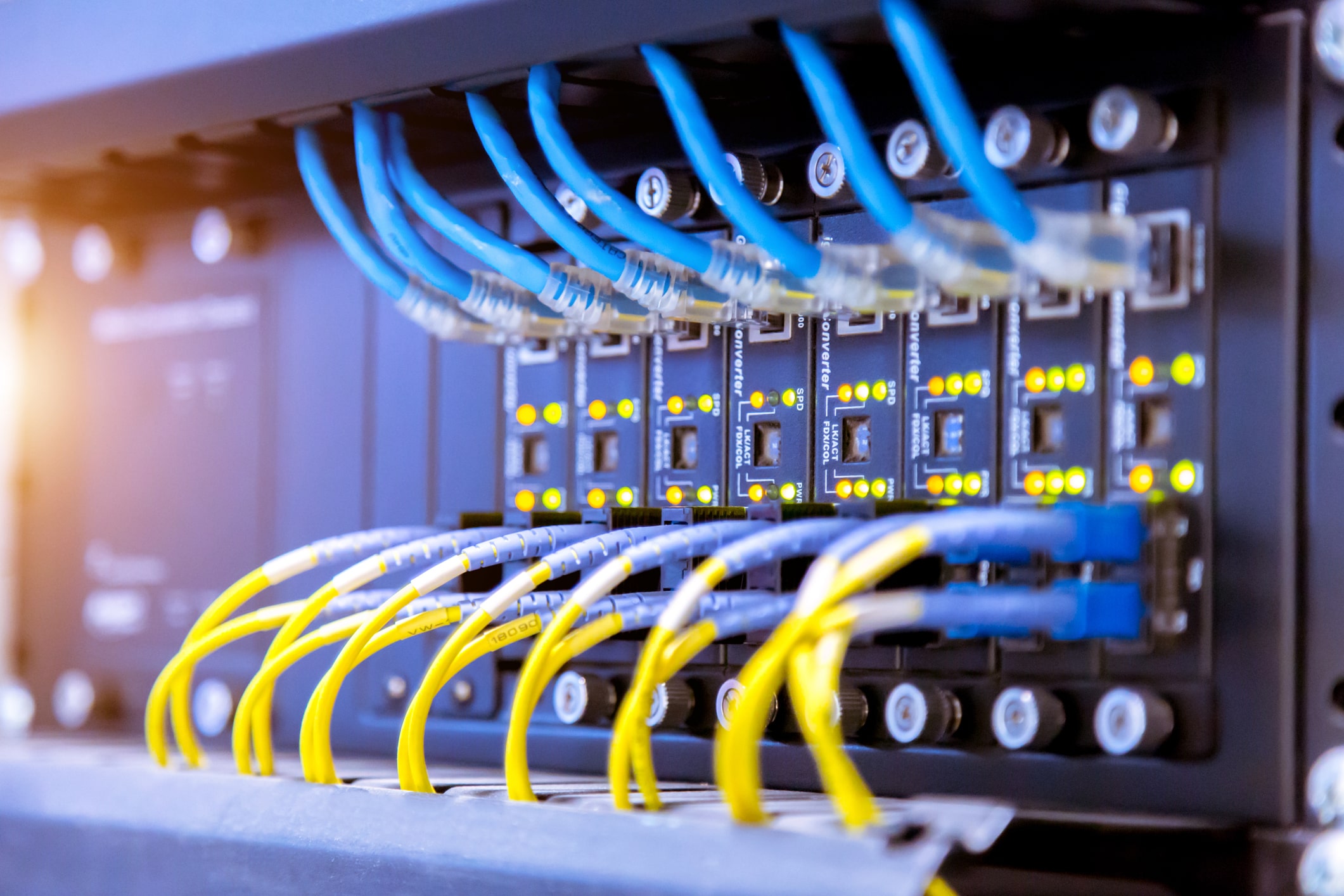 Fig 4: Fiber Optic Connectors
Power Connectors
Electrical power may be transferred from a source to a gadget more easily with the use of power connections. In order to provide dependable and effective power delivery in a variety of electrical systems and devices, they come in a variety of shapes, including barrel connectors, NEMA connectors, IEC connectors, and power jacks. Designers tailor each one to meet specific power needs and applications.
 Fig 5: Power Connectors
Automotive connectors
Automotive connectors make it easier for internal components of vehicles to connect electrically. The onboard computer systems and OBD-II ports can connect diagnostically. Due to its ruggedness, Deutsch connections are resistant to vibration and dampness. For waterproof connections in vehicle electrical systems, use AMP Superseal connectors. For maritime and automotive applications, Weather Pack connectors provide sealed, moisture-resistant connections, improving dependability under challenging circumstances.
 Fig 6: Automotive Connectors
In order to choose which electrical connector you want for your system, there are certain selection criterion that one has to consider.
Selection Criterion for Electrical Connectors
Electrical Specifications
Verify that the connection satisfies the application’s electrical needs, taking into account the voltage, current, and frequency ratings in order to guarantee dependable electrical conductivity. Choosing a USB Type-C connector that complies with USB 3.1 specifications, for instance, is appropriate for high-speed data transmission applications that demand high data rates.
Mechanical Design
One has to take into account the connector’s dimensions, form factor, and other mechanical characteristics. Verify that it is compatible with the application’s space requirements, mounting specifications, and environmental restrictions. Selecting a circular MIL-DTL-38999 connection with a threaded coupling mechanism is an example, particularly for military communications systems that need secure attachment under challenging conditions.
Environmental Conditions
Assess the presence of risks, extremes in temperature, moisture, dust and other elements in the working environment. Choose connections with the right IP (environmental protection) ratings to guarantee dependable operation and durability under demanding circumstances. Choosing an IP67-rated connection, for instance, is important for outdoor LED street lighting systems that are subject to dust and rain.
Material Compatibility
Take into account how well the connector’s materials work with both the materials of the mated components and the surrounding environment. Select materials that will not corrode, oxidize, or degrade over time to ensure durability and functionality. For automotive electronics, selecting connections with potted housings and epoxy sealing can help prevent vibration and moisture intrusion in challenging environments.
Standards and Interoperability Compliance
To enable interoperability with other parts and systems, make sure that the system is compatible with industry standards and protocols. For military applications, select connections that meet applicable standards, including USB, HDMI, Ethernet, and MIL-SPEC requirements. For example, for smooth integration into network architecture, choose RJ45 Ethernet connections that adhere to IEEE 802.3 specifications.
Application-Specific Requirements
We have to take into consideration any particular needs or standards related to the application, such as power handling capacity, high-speed data transmission, and EMI/RFI shielding with current components.
Various industries use electrical connectors in a vast array of electrical systems. Here are some of the applications.
Applications of Electrical Connectors
Telecommunications
Electrical connectors are widely employed in telecommunications equipment to link antennas and network devices. In wireless communication systems, data networks, and phone lines, they make signal transmission easier.
Automotive Industry
Electronic control units (ECUs), wire harnesses, and sensor connections all heavily rely on connectors. They make it possible for automobiles to have electrical connections for things like infotainment systems, lighting and power control.
Industrial Automation
PLCs and control panels are connected to sensors, actuators, motors, and other devices via electrical connectors in industrial automation and control systems. They offer dependable electrical connections for industrial process control and monitoring.
Aerospace and Military
Electrical connections are essential parts of avionics systems, radar equipment, communication systems, and missile guidance systems in the aerospace and military industries. They have to live up to strict specifications for dependability, robustness, and resilience to challenging environmental factors.
Consumer Electronics
Electrical connections are used in consumer electronics goods, including computers, TVs, tablets, and smartphones, for data transfer, charging, audio/video communication, and peripheral device connection. USB, HDMI, audio jacks, and power connections are examples of common connectors.
Data Centers
Power distribution units (PDUs), servers, networking equipment, and storage devices are all connected via electrical connectors in data center infrastructure. High-speed data connections like Ethernet and fiber optic connectors ensure fast and dependable data transfer inside the data center network.
Conclusion
In conclusion, electrical connectors are essential for the transmission of power, signals, and data in a variety of applications and sectors. In this blog, We have covered the basic elements of electrical connectors, such as housing, insulation, conducting pins, and environmental protection, emphasizing their crucial function in providing dependable electrical connections while guaranteeing durability and safety. The blog has also provided an overview of important selection criteria for electrical connections, with a focus on standards compliance, material compatibility, electrical specifications, mechanical design, environmental resistance, and application-specific needs. When choosing connections for their projects, engineers and designers may make well-informed judgments by carefully weighing these factors, guaranteeing the best possible performance, compatibility, and dependability. Along with that, the blog also describes some of the applications of electrical connectors in modern-day industry.

Fatima Razzaq is a freelance technical writer who served as an electrical engineering lecturer at Air University—a federally chartered public sector research university in Pakistan. Razzaq holds a Bachelor’s degree with distinction in electronic engineering from Ghulam Ishaq Khan Institute of Engineering Sciences and Technology (GIKI) and a Master’s degree in Sustainable Transportation and Electrical Power Systems from the University of Nottingham, Universidad de Oviedo, and La Sapienza University of Rome. Razzaq’s diverse work experiences in academia and industry continue to inform her prolific technical writing journey in the areas of electrical engineering, storage mechanisms, power electronics, electric vehicles, energy, and related topics.