A sensor is a device that detects and responds to any kind of input from the environment. The input can be light, heat, motion, moisture, pressure, or any other parameter. It then sends information about these changes to a variety of other electronics, which in turn initiate or interrupt respective actions. Various types of sensors find applications in a variety of machines and tools. Examples include touch-sensitive lamps, touch-sensitive elevator buttons, and artificially built greenhouses.
Sensors are almost always used in conjunction with electronic devices. As micromachinery and microcontroller platforms have advanced over time, becoming more user-friendly, they are also more likely to contain sensors.
Different Types of Sensors
Depending upon application requirements, various types of sensors are used in various applications. These applications might range from HVAC systems to automotive and from industrial process control to home appliances. A few of the sensors are discussed below:
Temperature Sensors
Depending on the application and environment, one can use different temperature sensors to measure temperature. Each sensor has its own mechanism to sense the variation. For example, the thermistor is a temperature-dependent resistor with changes in temperature, resistance changes, and thus the electrical parameters (Voltage, Current, Power dissipation, etc.) of the circuit. Such a simple temperature sensor with a circuit can be used to turn the load on and off at a specific temperature.
 Figure 1: Thermistor
The circuit might consist of a thermistor, transistor, relay, and battery to enable respective operation. The temperature sensor could activate the relay when it detects the required temperature.
Infrared(IR) Sensors
Infrared sensors (IR sensors) are radiation-sensitive components having spectral sensitivity in the infrared wavelength range. They emit light, which hits surrounding objects. Light is bounced back and received or sensed by the receiver.
A TV remote control is a simple IR sensor circuit we use daily. It includes IR receiver and IR emitter circuits. The user uses the IR emitter circuit as a remote to emit infrared light. This technology is also used in weaponry and security devices.
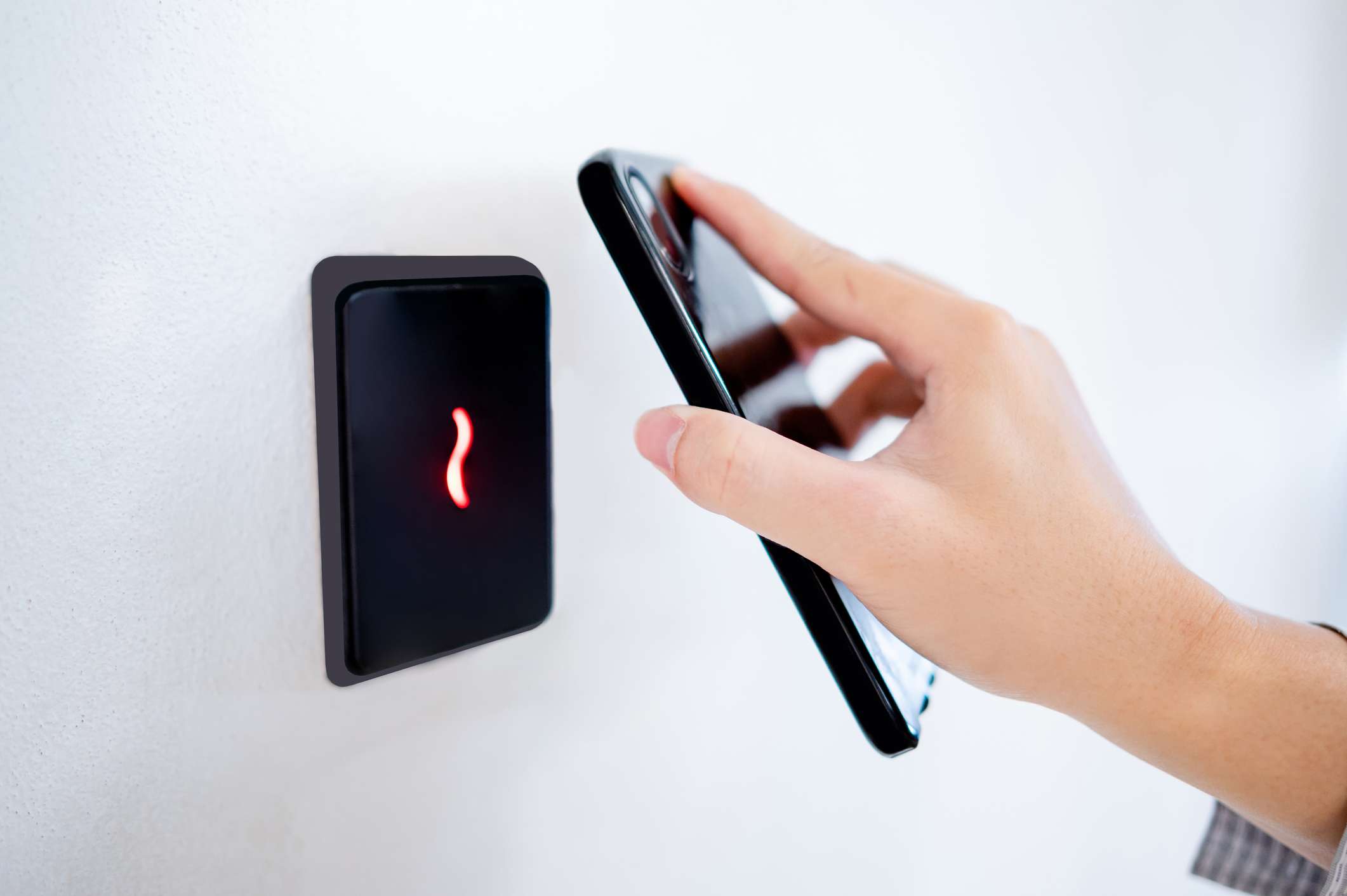 Figure 2: IR Sensor Technology for Automatic Door Access
Passive Infrared Sensor(PIR) Sensor
PIR stands for Passive Infrared Sensor. These are used to detect the movement of people, animals, and objects because infrared rays have the property of reflection.
When an infrared ray strikes an object, the infrared ray’s properties change depending on the temperature of the target. This received signal determines the motion of the objects or living beings.
Ultrasonic Sensor
An ultrasonic sensor or transceiver works on the same principle as radar or sonar. It is used to estimate the distance of a target using time elapsed between sent and received waves. The sensor transducer emits and receives waves, evaluating the reflected signals. Determining the distance to an object is facilitated by the time taken to receive and transmit the echo. These sensors find valuable applications in drone and robotic systems, where avoiding collisions with obstacles is crucial. Furthermore, ultrasonic sensors are used to identify water levels.
 Figure 3: Ultrasonic Sensor
Touch Sensor
Touch-activated switches are referred to as touch sensors. These sensors are classified into three types based on their touch type: piezo touch switch, capacitance touch switch, and resistance touch switch. Intending to use a touch-sensitive load for control purposes, these sensors find applications in security, record-keeping, and other tasks.
 Figure 4: A Touch Sensing Device
Proximity Sensor
The proximity sensor is a type of sensor that detects the presence or absence of surrounding objects using an electromagnetic (EM) radiation beam or EM field. Upon detecting a targeted object, it changes the wavelength and frequency of returned signals. Subsequently, it converts the detected signal into a format that the user can understand. This sensor finds application in the retail domain, where it detects any movement, creating an association between the consumer and the product.
Chemical Sensor
A chemical sensor aids in the detection of various types of changes in liquids as well as chemical variations in air. This sensor plays a primary role in commercial atmospheric observations and is instrumental in managing processes involving both unintentional and intentional chemical evolutions, monitoring radioactive exposure, supporting pharmaceutical industries, and facilitating reusable operations in space stations.
These sensors also find application in testing soil quality for agricultural purposes or conducting pollution measurements.
 Figure 5: Chemical Sensor to Measure Soil Quality
Gas Sensor
Similar to chemical sensors, gas sensors are specifically designed to monitor changes in air quality, determining the types of gases present. These versatile sensors find applications in the health sector, manufacturing, agriculture, the coal industry, gas monitoring, chemical labs, and various other fields.
Acceleration Sensor
An acceleration sensor or accelerometer calculates acceleration and angular values. The accelerometer determines acceleration caused by either gravity or the object’s movement. Both static and dynamic forces have an impact on the accelerometer.
These sensors have become necessary as the automotive industry is focusing on developing more and more automated vehicles. Traffic police employ them to observe and enforce speed limits, maintaining law and order.

Figure 6: An Automated Car Observing its Surroundings Using Sensors
Concepts to Understand the Working Of a Sensor
The working of a sensor depends on the mechanism it is designed upon. Anyhow, some key concepts stand at the helm of the operation of any sensor. Here, we briefly discuss some concepts about how sensors work.
Transducer and Its Working
The essential element of the vast majority of sensors is a transducer. They transform the physical input into an electrical output. They implement different techniques, such as piezoelectricity or optical detection of physical changes, to produce measurable signals.
Signal Conditioning
After transforming the physical input into an electric signal, the system processes it through various operations, such as scaling and shifting, commonly known as signal conditioning. Signal conditioning ensures that the output signal comes under the permissible range without losing any useful data. To make this happen, a signal is suitably amplified and filtered.
Sensor Working Principle
Essentially, sensors sense and react to variable changes, including temperature, pressure, or light. Every sensor works through a specific working principle that governs the conversion of physical parameters into some measurable output.
Electrical Principles
Electrical sensors work based on phenomena such as resistance, capacitance, or induction to identify any alterations in electric fields and conductivity. For example, a thermocouple works on the basis of changing resistance and, thus, voltage.
Optical Principles
Optical sensors measure the physical quantities by the nature of light. For example, the application of photodiodes and IR sensors illustrates this.
Mechanical Principles
Mechanical sensors work according to the laws of motion, deformation, and also elasticity. For instance, an accelerometer converts physical acceleration into a mechanical displacement, which a piezoelectric crystal detects.
Conclusion
Sensors are like tech detectives that help devices understand and react to what’s happening around them. Whether it’s measuring temperature, detecting movement, or checking air quality, sensors play a crucial role in various fields like healthcare and farming. By learning how sensors work, we get a sneak peek into the cool tricks our gadgets can do. As technology grows, sensors keep being the heroes behind the scenes, making things work smoothly in areas like cars and everyday devices. They’re like the secret agents making sure everything runs just right!

Fatima Razzaq is a freelance technical writer who served as an electrical engineering lecturer at Air University—a federally chartered public sector research university in Pakistan. Razzaq holds a Bachelor’s degree with distinction in electronic engineering from Ghulam Ishaq Khan Institute of Engineering Sciences and Technology (GIKI) and a Master’s degree in Sustainable Transportation and Electrical Power Systems from the University of Nottingham, Universidad de Oviedo, and La Sapienza University of Rome. Razzaq’s diverse work experiences in academia and industry continue to inform her prolific technical writing journey in the areas of electrical engineering, storage mechanisms, power electronics, electric vehicles, energy, and related topics.